MCT Nexus
Panel Assembly & Wiring
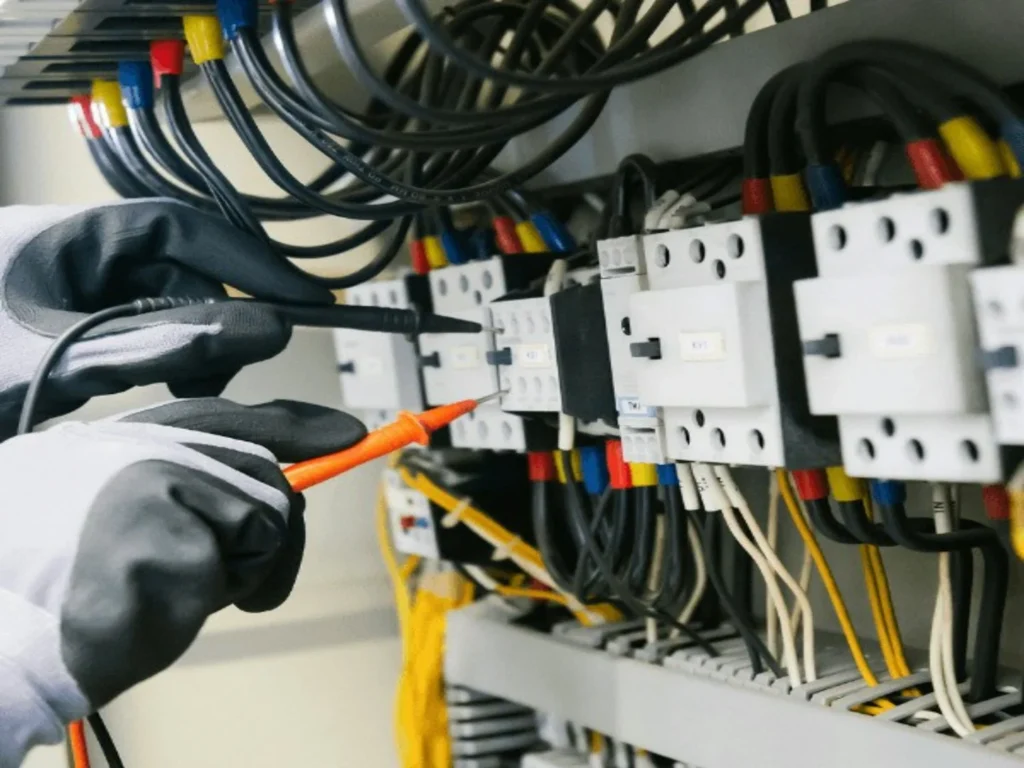
Bring the approved electrical design into a physical control panel. MCT Nexus supports component installation, wiring, identification, and agreed checkout for machine and automation projects.

ELECTRICAL ENGINEERING
Electrical documentation that connects machine requirements to the panel, field devices, and controls. MCT Nexus develops coordinated design packages for new equipment and machine changes.
SERVICE SCOPE
The drawing package should explain how the equipment receives power, how devices connect, and how the controls interact with the process. We develop the design around your preferred components, supply conditions, machine sequence, and maintenance needs.
PROJECT DELIVERABLES
Capture supply voltage, loads, environment, platform preferences, and customer specifications in the design basis.
Keep component references, wire identification, I/O assignments, and the parts list aligned across the package.
Document agreed changes so panel builders, programmers, installers, and maintenance staff work from the same information.
PROJECT APPROACH
Collect the operating sequence, device information, existing drawings, and electrical or installation requirements.
Coordinate schematics, layout, components, and controls interfaces. Resolve open items during design review.
Issue the agreed files for build and incorporate approved field changes into the handover package.
COMMON QUESTIONS
Yes. We first review the source files and the actual equipment changes. The scope can include correcting records, documenting an upgrade, or developing missing portions of the electrical package.
Identify required standards, customer specifications, and any listing or inspection expectations at inquiry. The project scope must state how those requirements will be addressed and who is responsible.
CONNECTED CAPABILITIES
MCT Nexus
Bring the approved electrical design into a physical control panel. MCT Nexus supports component installation, wiring, identification, and agreed checkout for machine and automation projects.
MCT Nexus
Control-panel assembly from customer-supplied drawings, with a clear boundary between design ownership, procurement, assembly, and testing.
MCT Nexus
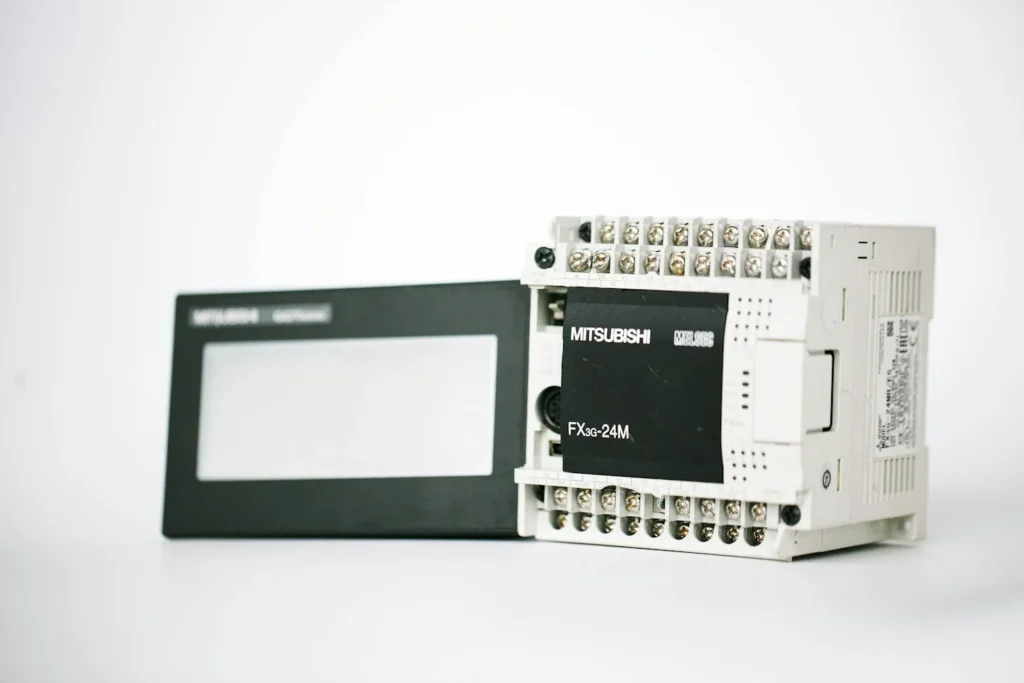
Machine sequences, operator screens, and diagnostics developed around how the equipment actually runs. MCT Nexus supports new controls software and changes to existing PLC and HMI applications.
Confirm incoming supply, connected loads, environment, enclosure needs, preferred components, machine functions and customer requirements. Establish the applicable standards and required review responsibilities for the actual installation.
Keep power, control, I/O, network and terminal information aligned with the selected devices and software. Agree how field changes are recorded so the final drawings match the delivered system.
Define native drawing files, PDF issue sets, BOM, I/O schedules, terminal details and the revision record in the scope. Discuss any certification or third-party evaluation requirement before procurement.
Continue with our industrial control panel design and build.
Send the machine purpose, power requirements, controls platform, available drawings, and required deliverable formats.
Machine electrical design starts with the loads, supply, operating environment and control architecture. MCT Nexus reviews motors, drives, heating loads, control power, sensors and connected equipment. The machine layout and installation conditions affect cable routes, disconnect locations, enclosure selection and field connections. The agreed scope identifies what is inside the machine package and what the site or another supplier provides.
The schematic set records power distribution, control circuits, device connections and terminal references. An I/O list connects the physical sensors and actuators with the controller addresses and signal descriptions. Panel layouts and the bill of materials translate the electrical design into an organized build package. Revision control keeps those documents aligned when a component, terminal or interface changes.
Device sizing and protective design depend on the actual ratings, loads and installation requirements. Customer specifications and applicable industrial standards are reviewed for the project. MCT Nexus does not use a generic claim of compliance to substitute for an agreed engineering review, required inspection or certification arrangement.
Design questions discovered during panel assembly and installation should be recorded and resolved through a controlled revision. The final drawing package should reflect approved changes made during commissioning. A marked-up field print is useful evidence, but the handover should establish who incorporates those changes into the issued electronic files.
For a new machine, provide the operating description, load information, preferred controls platform, mechanical arrangement and required standards. For an existing machine, send the available drawing set, equipment details and proposed modification. MCT Nexus can define a new design package, an electrical redesign for a retrofit, or a documentation recovery scope after reviewing the source information.