PROCESS EQUIPMENT
Fluid filling & transfer
Control sequences, instrumentation, and integration for fluid handling equipment.
CUSTOM MACHINES & OEM EQUIPMENT
MCT Nexus designs and builds custom machines, bringing equipment requirements, electrical systems, controls, and project execution into one coordinated scope.
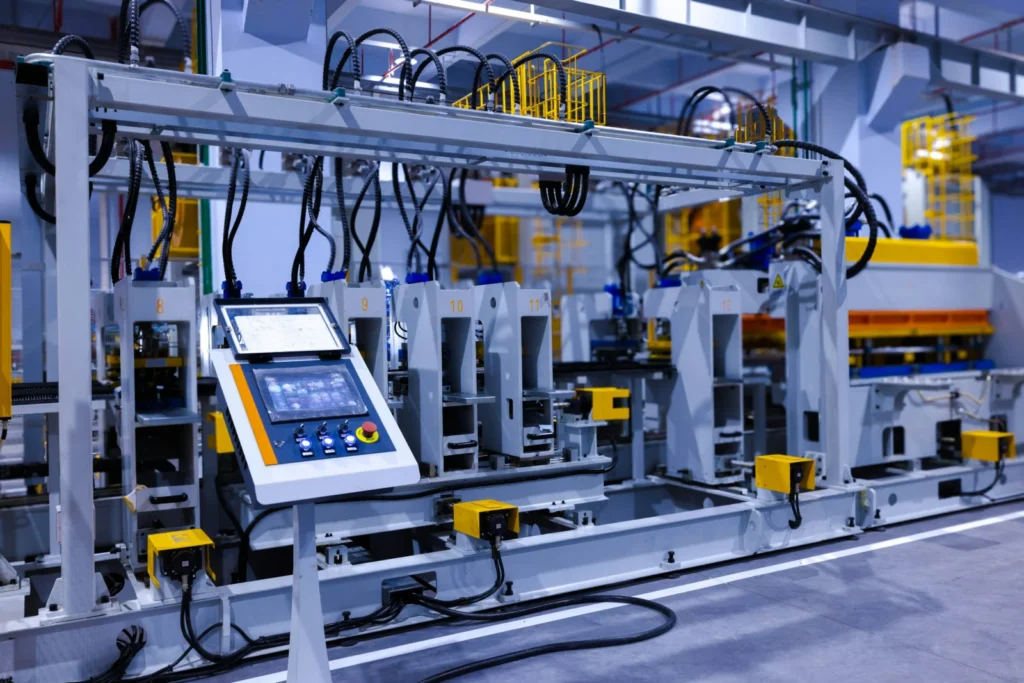
PURPOSE-BUILT EQUIPMENT
Start with the operation you need to perform. We work through the machine concept, interfaces, build requirements, and acceptance criteria with your team.
PROJECT OPTIONS
Define the process, operating sequence, utilities, footprint, and production requirements.
Coordinate controls, panel builds, software, and testing for a defined machine or equipment platform.
Plan changes to functions, handling, diagnostics, and controls around the equipment already in place.
APPLICATIONS
PROCESS EQUIPMENT
Control sequences, instrumentation, and integration for fluid handling equipment.
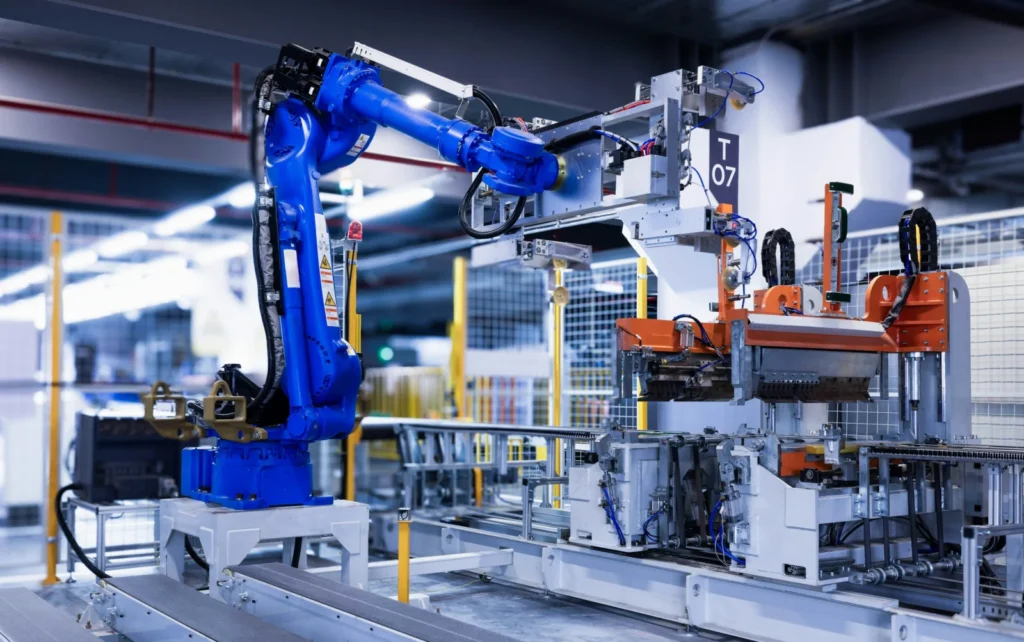
MATERIAL HANDLING
Coordinated part movement, machine interfaces, and automated handling.
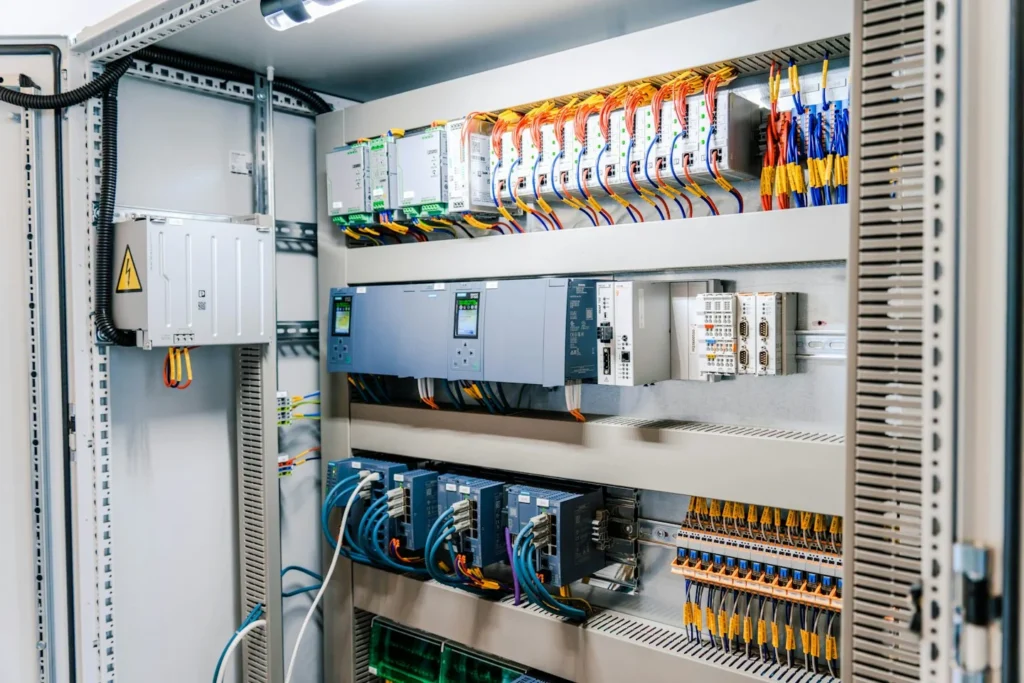
ELECTRICAL SYSTEMS
Electrical design and panel building aligned with the machine requirements.
Provide representative parts, variants, drawings where available and the operation the machine must perform. Identify upstream and downstream equipment and what makes a part acceptable.
Separate the target cycle from the full process: loading, changeover, inspection, faults and operator recovery also affect output. Define the test conditions used to accept the machine.
Agree mechanical equipment, specialist processes, electrical design, controls, machine build, installation and site responsibilities. A clear boundary makes the quotation and acceptance plan easier to compare.
Continue with our custom machine requirements guide.
Share the operation, production targets, available space, and timing.
A custom machine starts with the operation it must perform: the part entering the station, the work being done and the condition of the part leaving it. MCT Nexus reviews product variation, handling, operator tasks, utilities, installation space and the interfaces to upstream and downstream equipment. Required cycle time needs to include loading, processing, inspection, unloading and realistic recovery conditions.
The scope may be a complete custom equipment package or a defined machine subsystem. We establish design ownership, procurement responsibilities, build activities, software deliverables, installation scope and customer-supplied items before the project begins. That boundary matters when an existing line, tooling supplier or OEM retains responsibility for part of the equipment.
Each application needs a feasibility review. Sample parts, process trials or specialist equipment may be necessary before committing to production performance. We distinguish demonstrated process capability from assumptions that still need testing.
The mechanical sequence determines many electrical requirements: actuator travel, sensor positions, drive sizing inputs, access points and the conditions that permit movement. MCT Nexus coordinates those interfaces with the mechanical scope, then develops the electrical design, control panel package and control architecture. Device selection considers the environment, utilities, service access and the customer’s preferred platform.
The equipment should be understandable after delivery. Drawings identify field devices and wiring. An I/O list connects electrical hardware with software. The control narrative describes what happens during automatic operation, manual intervention, fault recovery and a controlled restart. These documents establish a common reference for design reviews and commissioning.
The PLC and HMI program organizes machine states, sequence steps, permissives and diagnostics. An operator needs to understand why a cycle cannot start and what condition stopped it. A maintenance technician needs to identify the device or interface involved. Recipe changes, restart behavior and interrupted cycles deserve explicit review rather than assumptions about normal operation.
Machine hazards, guarding, access, stopping behavior and maintenance tasks are reviewed during the design process. Required protective measures, applicable standards and validation responsibilities are established for the particular equipment and site. A software interlock alone is not a substitute for the required protective design. Certification or third-party inspection requirements must be identified in the project specification.
An agreed factory acceptance test connects the requirements to observable checks. Testing may include I/O verification, dry cycles, representative parts, alarms, communications and recovery scenarios. Results and open items are recorded. Installation and site acceptance then address the actual utilities, interfaces and production conditions that cannot be fully represented at the build location.
Send a process description, drawings or sample-part information, target throughput, product variants, floor-space constraints and the preferred schedule. Include any required machine standards and existing equipment interfaces. MCT Nexus uses that information to discuss a concept, define the engineering scope and identify the questions that affect cost and lead time. Published case summaries in engineering experience describe prior-role background; project-specific references and details are discussed separately.
Support can include documented controls changes, fault investigation, training and future upgrades. Define the handover package and support expectations during the project. Travel, site access, scheduling and the extent of ongoing service are agreed for the equipment rather than assumed to be included indefinitely.