
MCT Nexus
Request Machine Support
Share the machine symptoms, site details, and support you need.

MACHINE FAULT INVESTIGATION
Investigate recurring machine and controls problems with a structured review of symptoms, sequence, electrical signals, and equipment behavior.
SERVICE SCOPE
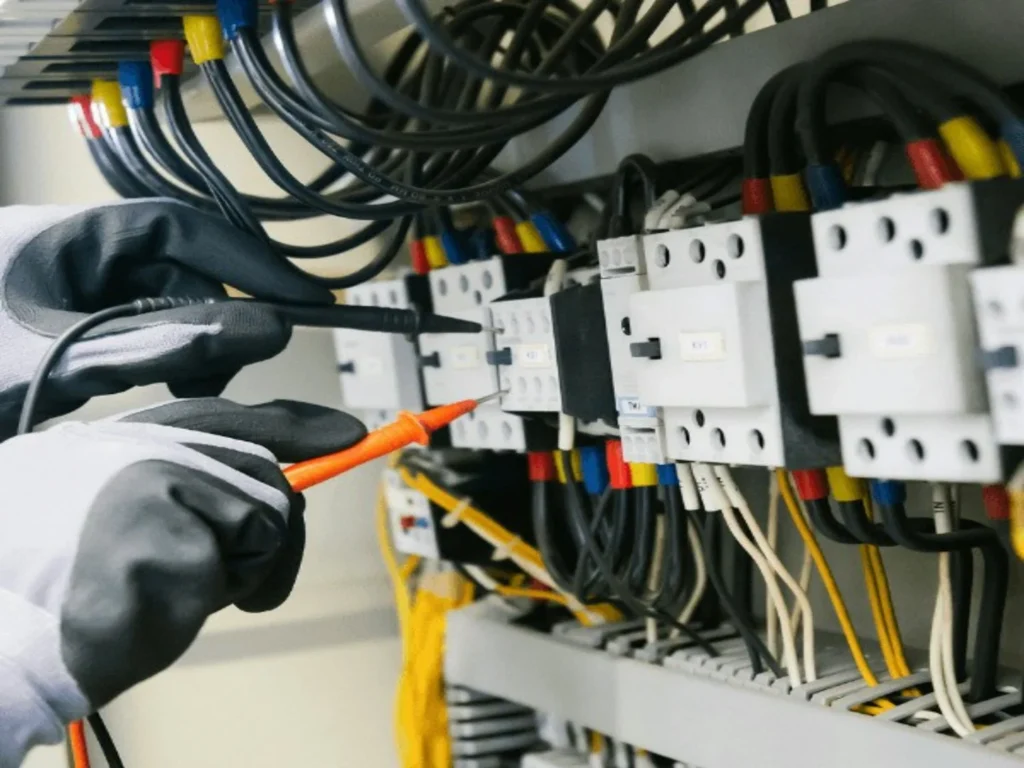
A fault message is a starting point, not always the underlying cause. MCT Nexus examines the conditions around the failure: what the machine was doing, which signals changed, and what the controls expected next. The goal is to define the issue and agree a practical corrective action.
PROJECT DELIVERABLES
Capture symptoms and available records so the investigation does not depend only on a fault description.
Separate diagnosis from larger upgrades and identify when mechanical, process, or supplier expertise is also needed.
Record approved software or wiring changes and the checks used to verify the result.
PROJECT APPROACH
Collect the machine identity, fault text, sequence step, frequency, production impact, and changes made recently.
Review the available files and equipment behavior, then narrow the fault to the relevant signals or functions.
Discuss the proposed change, apply it within the agreed scope, and verify the affected operation.
COMMON QUESTIONS
An initial review can use descriptions, photographs, drawings, and available records. Whether remote technical access is appropriate depends on the equipment, permissions, and information needed.
Provide machine and controls models, exact alarm text, when the problem occurs, recent changes, and available drawings or program backups. We can arrange the appropriate way to share technical files.
CONNECTED CAPABILITIES
MCT Nexus
Share the machine symptoms, site details, and support you need.
MCT Nexus
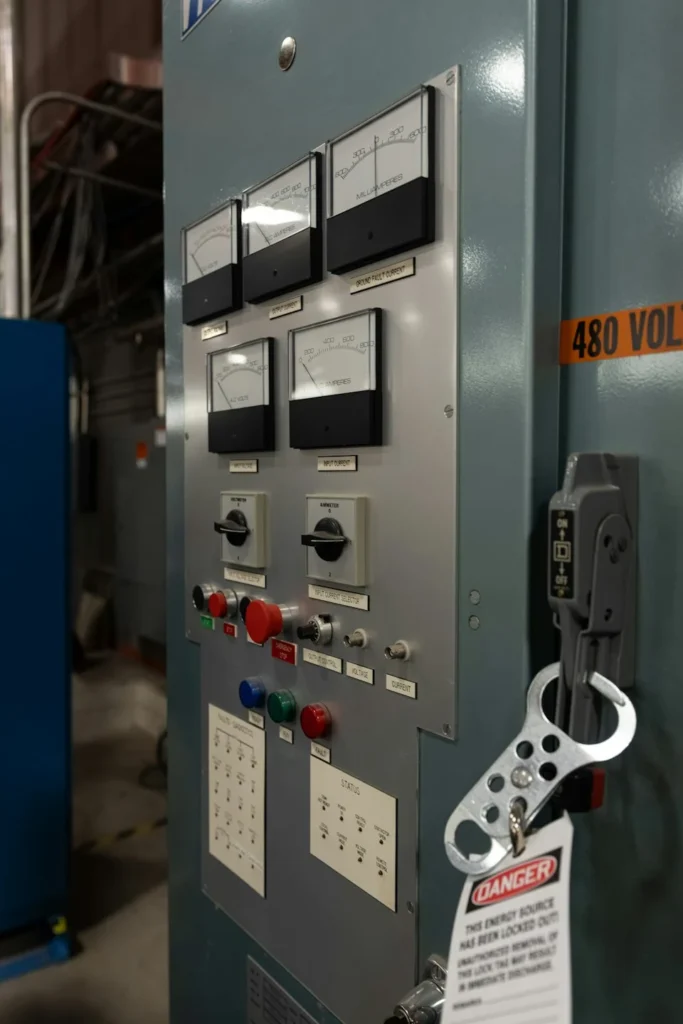
Update a machine around a defined production or support problem. MCT Nexus plans electrical and controls changes with attention to existing equipment, shutdown constraints, and restart requirements.
MCT Nexus
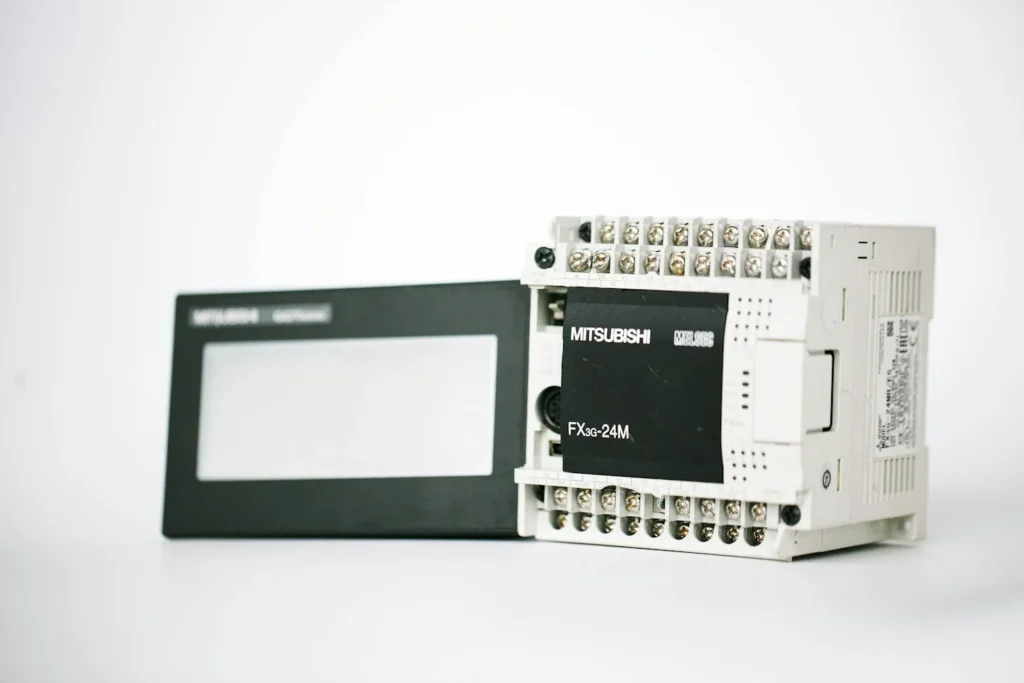
Machine sequences, operator screens, and diagnostics developed around how the equipment actually runs. MCT Nexus supports new controls software and changes to existing PLC and HMI applications.
Include the symptoms, frequency, exact fault messages, location, and how the issue affects production.
Useful troubleshooting starts with what the machine was doing when it stopped. Record the operation, product, mode, active step, displayed alarms and whether the issue is repeatable. Note recent changes, maintenance activity and the conditions that appear to influence the fault. These observations help distinguish an initiating problem from alarms that occur afterward.
PLC status, sensor indications, device diagnostics, HMI messages and electrical drawings each show part of the machine behavior. MCT Nexus reviews the sequence and relevant interfaces to identify where the expected condition is not being met. A missing input may be caused by the device, wiring, physical target, supply or configuration; it should not automatically be treated as a programming error.
Network and communication problems need a similar distinction between device availability and application behavior. A connected device can still report invalid data or fail to complete an agreed handshake. See industrial network diagnostics for the interface scope.
Findings should separate confirmed causes from hypotheses requiring further investigation. Any change should have a defined purpose, an approved scope and a way to verify the result. Where the change affects machine access, motion, protective functions or recovery, include the relevant engineering review.
Preserve the available baseline and record approved modifications. The final support record can include the observed condition, tests performed, changes made, verification and remaining limitations. Update drawings and software records when the scope includes changes to the installed system.
Provide machine identification, location, controller/HMI platform, fault text, occurrence pattern, recent changes and available documentation. Screenshots of alarms and a description of the sequence can be useful. Arrange technical files through an agreed channel after the initial review. Site access, personnel, scheduling and the ability to reproduce the fault influence the investigation.
This service is planned engineering support. Do not rely on a website inquiry as an emergency response channel. Follow the plant’s established procedures for equipment hazards and production incidents, and involve authorized personnel for any machine intervention.