CONTROLS
Controls & automation
Programming, instrumentation, and equipment interfaces.

PRECISION MANUFACTURING
Electrical and controls engineering for ultrasonic machining, industrial process equipment, and production improvement.
MACHINE CONTROLS & PROCESS INFORMATION
Experience behind MCT Nexus includes ultrasonic machining and industrial process equipment, with work across electrical design, PLC/HMI software, instrumentation, data collection, and troubleshooting.
WHERE MCT Nexus CAN HELP
Coordinate instrumentation, operating sequences, and operator information around the required process.
Plan controls changes and added devices around the machine already in place.
Review electrical and controls behavior, recurring stops, and available process information.
PLAN THE PROJECT
Start with the machine purpose, process variables, required checks, available instrumentation, and the problem you are trying to solve.
RELATED CAPABILITIES
CONTROLS
Programming, instrumentation, and equipment interfaces.
MACHINE SUPPORT
Investigate faults and define practical changes.
ELECTRICAL SYSTEMS
Schematics, components, panel builds, and checkout.
Share the machine, the process, and the result you need.
Precision manufacturing depends on the relationship between the machine, tooling, process conditions and the part. MCT Nexus develops electrical and controls scopes that make equipment behavior understandable and measurable. Automation requirements should identify the operation, product variation, process feedback and the quality characteristic being verified.
The experience behind MCT Nexus includes prior electrical and controls work with ultrasonic machining and industrial process equipment. That background informs the engineering approach. It does not mean that every precision process, machine model or metrology method is already supported; project fit and specialist responsibilities are reviewed for the application.
Automated loading, unloading or transfer needs a defined part presentation, fixture condition and machine-ready interface. Robotic cells may support these functions where the task, tooling and machine arrangement are suitable. The integration plan should account for interrupted cycles, occupied fixtures and the verification required after manual intervention.
Conveyors, pallets and fixtures should maintain the relationship between the part and the process state. A transferred part may need an inspection result, recipe or operation history before the next station can proceed. Define these dependencies through the material handling and traceability scopes.
Temperature, pressure, flow, level or other process feedback may influence the operating sequence. The instrumentation design should document ranges, units, signal handling and the response to invalid information. Monitoring a process condition is different from proving the final part meets a quality requirement.
Inspection and test integration begins with the measurement decision, reference method and acceptance criteria. Feasibility trials may be needed to confirm a sensing or measurement approach. MCT Nexus coordinates machine triggering, result handling and production interfaces around the appropriate specialist equipment.
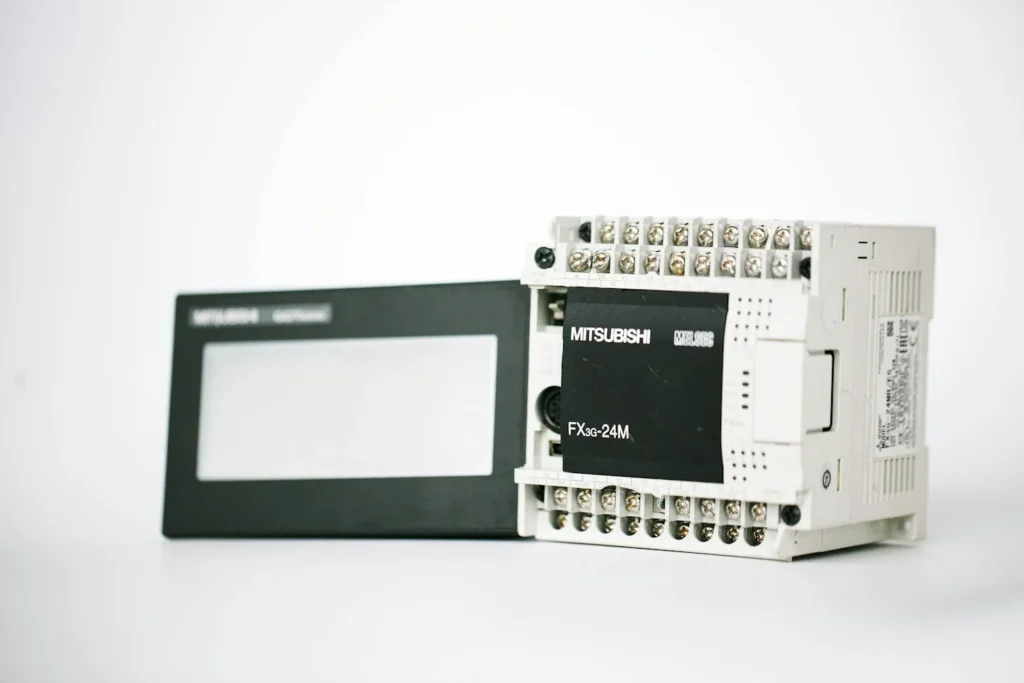
An older controller or HMI may contain useful process behavior that is poorly documented. A PLC migration should review that behavior before replacing hardware or converting code. Operator observations, available backups, machine drawings and actual production sequences can all contribute to the functional baseline.
Testing should cover the relevant product range and process conditions. Identify which checks can be completed during FAT and which depend on the installed equipment and production environment. Record the accepted software, configuration and drawing revisions so later troubleshooting starts from a reliable baseline.
For an inquiry, provide the machine function, process description, existing platform, available documentation and the change you need. Include measurement requirements, sample availability and production constraints. MCT Nexus can define a controls engineering, custom machine or machine support scope around those requirements.