MCT Nexus SERVICE
Robotic Cells
Robotic cell integration for machine tending, part transfer, loading, assembly and inspection interfaces within an engineered production system.
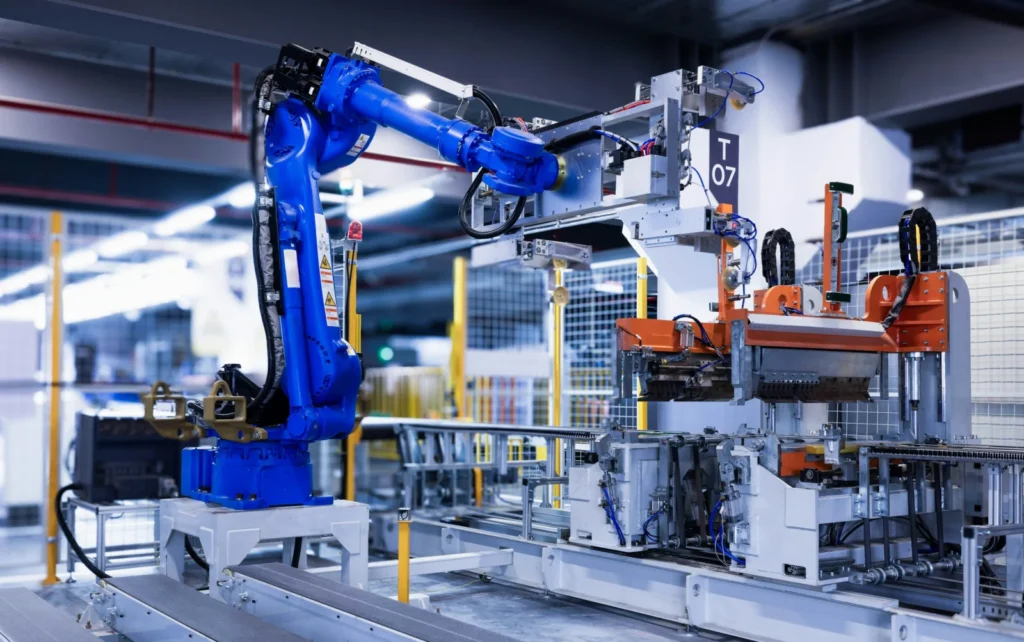
Start with the complete cell.
A robot is one element of the production process. The cell also includes incoming parts, fixtures, tooling, sensors, process devices, access points and the equipment receiving the completed work. MCT Nexus defines the controls and integration scope around those interfaces so the machine sequence has a clear owner at every stage.
The application review considers part variation, presentation, payload and reach requirements, tooling, cycle expectations and the surrounding equipment. Robot and tooling selection must be checked against the actual task. This page does not imply support for every robot brand or controller generation.
Coordinate the robot with the surrounding machines.
Machine tending and loading
Define machine-ready conditions, loading position, fixture state, part confirmation and the signals that permit unloading. The interface should distinguish a request from an acknowledgment and a completed operation. Ownership of doors, clamps and material transfers must be explicit.
Transfer, assembly and inspection
The cell may move parts between stations, present them to a process device or position them for inspection. The integration scope connects the robot task with the machine sequence and result handling. A vision or measurement system requires appropriate feasibility work, calibration and acceptance conditions for the intended part range.
PLC and operator interface
The PLC/HMI system can coordinate cell modes, status, recipes, alarms and production interfaces. The operator should understand whether the cell is ready, processing, waiting for another machine or faulted. Equipment-specific diagnostics should point to the relevant interface or device rather than a single general fault message.
Plan access, recovery and protective functions.
Review hazards across the complete application, including robot motion, tooling, fixtures, transferred parts and adjacent equipment. Protective measures and validation responsibilities are established for the actual cell. A robot product designation alone does not establish that an integrated application is safe for a particular operating arrangement.
Recovery requirements should cover interrupted transfers, held parts, fixture occupancy and unavailable destinations. Define the conditions under which a task can resume and the checks required after manual intervention. Maintenance and tool changes need their own procedures and access review.
The cell controls, robot program and machine interfaces should use an agreed state model and a documented communication contract. Lost communication, conflicting commands and delayed acknowledgments require defined responses. Industrial network planning documents these connections and the ownership of plant interfaces.
Verify the application, then hand over the complete package.
Test the intended parts and process conditions, including the expected range of presentation and product variation. Review normal cycles, unavailable machines, part-detection faults, interrupted tasks and restart behavior. The acceptance plan should identify the production assumptions behind cycle expectations and how exceptions will be recorded.
Handover may include PLC/HMI files, robot-related files within the agreed scope, drawings, network records, configuration information and operating guidance. Licensing, access and third-party equipment responsibilities should be clear before commissioning is complete.
What should we provide for a robotic cell inquiry?
Send the part information, required operation, current machine layout, robot/controller details if selected, tooling concept and target cycle. Identify the machines and suppliers that retain responsibility for adjacent equipment. MCT Nexus will discuss technical fit and the scope of robotics integration or custom machine development.
Can MCT Nexus integrate an existing robot?
That depends on its condition, controller, available software and suitability for the task. An assessment of the installed equipment and required interfaces is needed before confirming the implementation scope.
Discuss your project with MCT Nexus.
Share the equipment, production requirement and target timing. We will review the scope, interfaces and next steps with your team.