
MCT Nexus SERVICE
Industrial Process Equipment Automation
Process equipment controls that coordinate instrumentation, pumps, valves, heating, cooling and machine sequences around the required operating conditions.
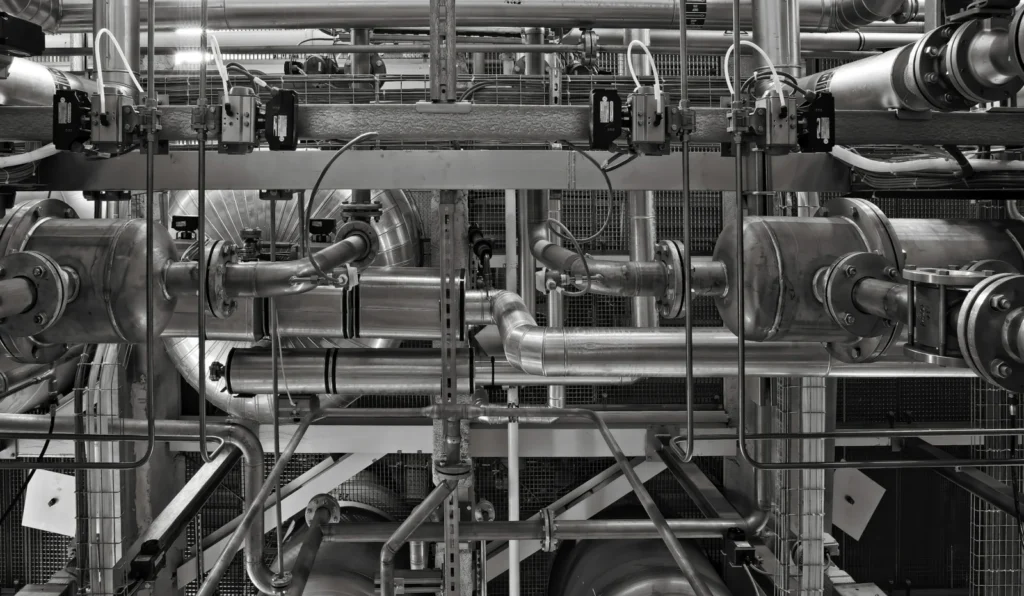
Define the process, then the automation.
MCT Nexus develops electrical and control-system scopes for industrial process equipment. Start with the process description, operating range, equipment arrangement, utilities and the conditions that must be monitored. The automation design connects the process devices with a defined sequence and operator interface.
Typical discussions involve temperature, pressure, level or flow; heating, cooling or mixing; and transfers between equipment. The process and mechanical design establish the allowable conditions and required protective measures. MCT Nexus’s controls scope is coordinated with those responsibilities rather than assuming software can resolve an undefined process.
Organize instrumentation and device behavior.
Measurements and feedback
Identify what each instrument measures, where it is installed, its range, units and communication method. Define how a failed, disconnected or implausible signal is recognized. The instrumentation scope links the device information with the electrical drawings, PLC values, HMI display and alarms.
Pumps, valves and driven equipment
Define the commands, feedback, operating permissives and the expected response if a device does not reach its commanded state. Where a drive controls speed, establish the process requirement and the interface to the control sequence. Equipment selection and operating limits must be suitable for the application.
Recipes and operating modes
Some processes require different setpoints or sequences for different products. Recipe selection, permitted adjustment ranges and operator authorization should be documented. Manual operation, automatic cycles, cleaning or changeover functions need distinct requirements and verification.
Make process status understandable.
The HMI should show the process state, relevant measurements, active alarms and conditions preventing operation. A value without its units or operating context can mislead an operator. Alarm design should connect the condition to the equipment involved and the agreed response.
Where trends or production history are included, define which values need to be captured, their timing and the purpose of the record. A temporary display trend is different from a retained production record. Data interfaces, storage ownership and the response to an unavailable destination should be addressed in the scope.
Protective functions, stored energy, pressure, heat and material hazards require application-specific review. Requirements for independent protective devices, inspections, certifications or specialist engineering must be established before the system is committed. This website does not claim blanket suitability for every process or hazardous environment.
Commission against the actual process conditions.
Verification begins with the electrical package, instrument configuration and I/O. Functional tests then check device commands, feedback, sequences, alarms and expected abnormal conditions. Tests using simulated signals should be identified as simulations; they do not by themselves establish physical process performance.
The site acceptance plan should account for the real utilities, materials, installation and operating range. Define the people responsible for approving process limits and production results. Record the configuration and software revision that correspond to the accepted equipment.
How should we describe the project?
Send the process narrative, equipment layout or flow diagram, device information, operating ranges, utilities and intended changes. Include the existing controls platform and any required records or plant interfaces. MCT Nexus can discuss custom equipment, filling and dispensing or a controls retrofit as appropriate.
Can existing process equipment be modernized?
Yes, subject to an assessment of the installed equipment, documentation, process requirements and required protective design. The retrofit plan should distinguish retained mechanical equipment from new instrumentation, controls and software, with a defined commissioning and recovery plan.
Discuss your project with MCT Nexus.
Share the equipment, production requirement and target timing. We will review the scope, interfaces and next steps with your team.