MCT Nexus
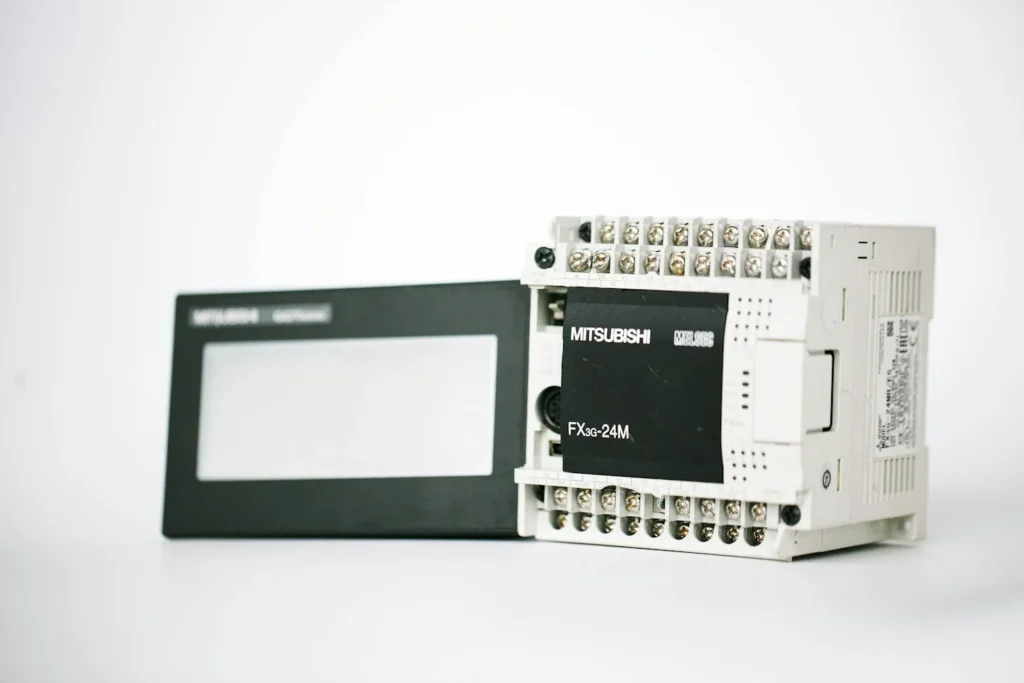
PLC & HMI Programming
Machine sequences, operator screens, and diagnostics developed around how the equipment actually runs. MCT Nexus supports new controls software and changes to existing PLC and HMI applications.
PROCESS EQUIPMENT CONTROLS
Coordinate instruments, valves, pumps, and machine sequences around your filling process. MCT Nexus brings controls and equipment-integration experience to fluid-handling and process-machine projects.
SERVICE SCOPE
A filling operation depends on more than the command to open a valve. Product setup, readiness checks, measurement, fill completion, and fault response all affect how the equipment behaves. MCT Nexus’s engineering background includes fluid-fill and refrigerant-equipment projects serving automotive and appliance manufacturing.
PROJECT DELIVERABLES
Document the medium, operating ranges, product variants, and criteria for a completed or rejected cycle.
Align the instrument signals, scaling, device configuration, and operator information with the process requirements.
Show which condition stopped the cycle and what process state needs investigation.
PROJECT APPROACH
Collect the sequence, instrumentation information, operating conditions, utilities, and equipment constraints.
Coordinate electrical design, PLC/HMI behavior, device interfaces, and the test criteria for the filling cycle.
Check instrument signals and agreed process behavior, recording results and settings for handover.
COMMON QUESTIONS
Yes, a project can focus on controls, instrumentation, operator screens, or a specific process change. Existing hardware, software access, and the shutdown window are reviewed first.
Identify the fluid, fill range, operating pressures and temperatures, target output, measurement method, and acceptance criteria. Any material compatibility or application-specific requirements must be included in the design basis.
CONNECTED CAPABILITIES
MCT Nexus
Machine sequences, operator screens, and diagnostics developed around how the equipment actually runs. MCT Nexus supports new controls software and changes to existing PLC and HMI applications.
MCT Nexus
Electrical documentation that connects machine requirements to the panel, field devices, and controls. MCT Nexus develops coordinated design packages for new equipment and machine changes.
MCT Nexus
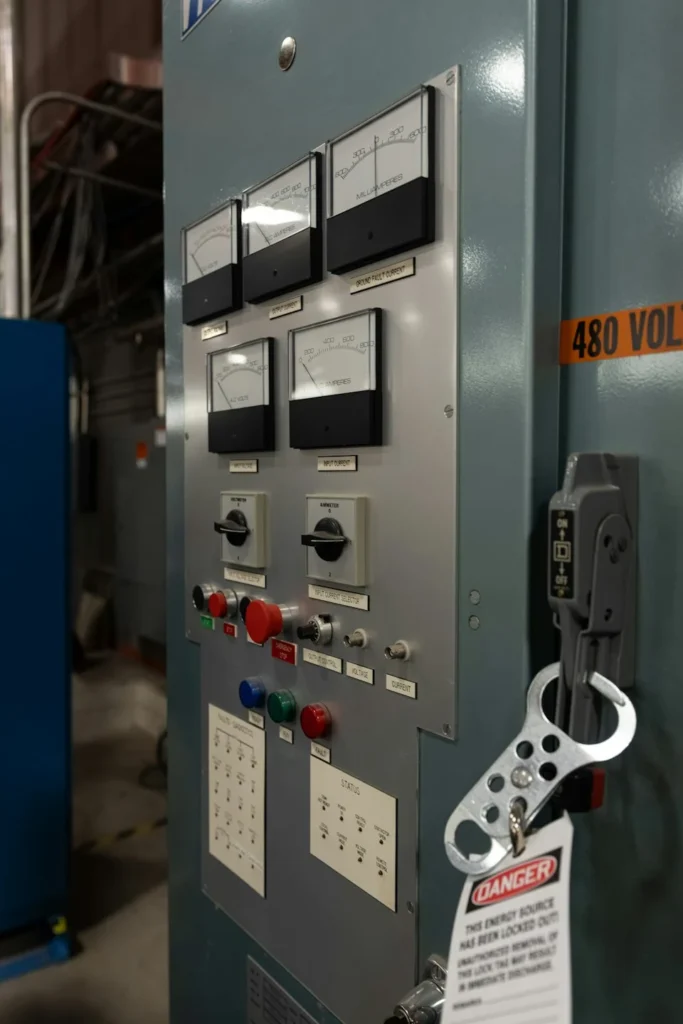
Update a machine around a defined production or support problem. MCT Nexus plans electrical and controls changes with attention to existing equipment, shutdown constraints, and restart requirements.
Tell us about the process medium, product range, required measurement, current controls, and the change you need.
A filling system starts with the fluid properties, container or product interface, required quantity and the method used to verify the result. MCT Nexus reviews the process description, operating range, product variations and the interfaces to the production line. Temperature, viscosity, supply conditions and the physical connection can affect the process and must be addressed by the appropriate equipment design.
The control scope may coordinate pumps, valves, measurement devices, fixtures and transfer equipment. The mechanical and process components need to be suitable for the fluid and application. Hazardous materials, pressure systems or special environments require application-specific review and clearly assigned responsibilities; they are not covered by a generic automation claim.
Define ready conditions, part identification, connection confirmation, process initiation, monitoring, completion and release. Some systems also need evacuation, flushing, purge or changeover functions. The appropriate steps depend on the process and must be specified rather than assumed from another machine.
The PLC and HMI connect the sequence with recipes, alarms and operator information. A recipe should identify the authorized settings and how the correct product selection is verified. Process limits and acceptance values should be established through the engineering and validation work for that system.
Flow, pressure, level and temperature feedback can support process control or verification. The design must identify what each signal represents, its units, scaling, useful range and failure indication. A measured value is only meaningful if the device, installation and process conditions support the intended decision. See sensors and instrumentation for the controls interface scope.
Where production records are required, associate the result with the correct part, recipe and cycle. Define what happens if a reading is invalid or a record cannot be stored. MCT Nexus can scope tracking and traceability alongside the equipment controls.
Verification may include normal cycles, interrupted cycles, supply changes, missing parts, unavailable downstream equipment and device faults. Process performance must be checked with representative fluids and conditions. FAT and site testing should distinguish what was demonstrated from what remains dependent on the installed production environment.
For a project discussion, provide fluid information, fill or dispense requirements, product variants, line interfaces, available utilities and required production records. The experience behind MCT Nexus includes industrial filling equipment for automotive and appliance applications; the experience summary clearly identifies that prior-role background.