MCT Nexus
Equipment Integration
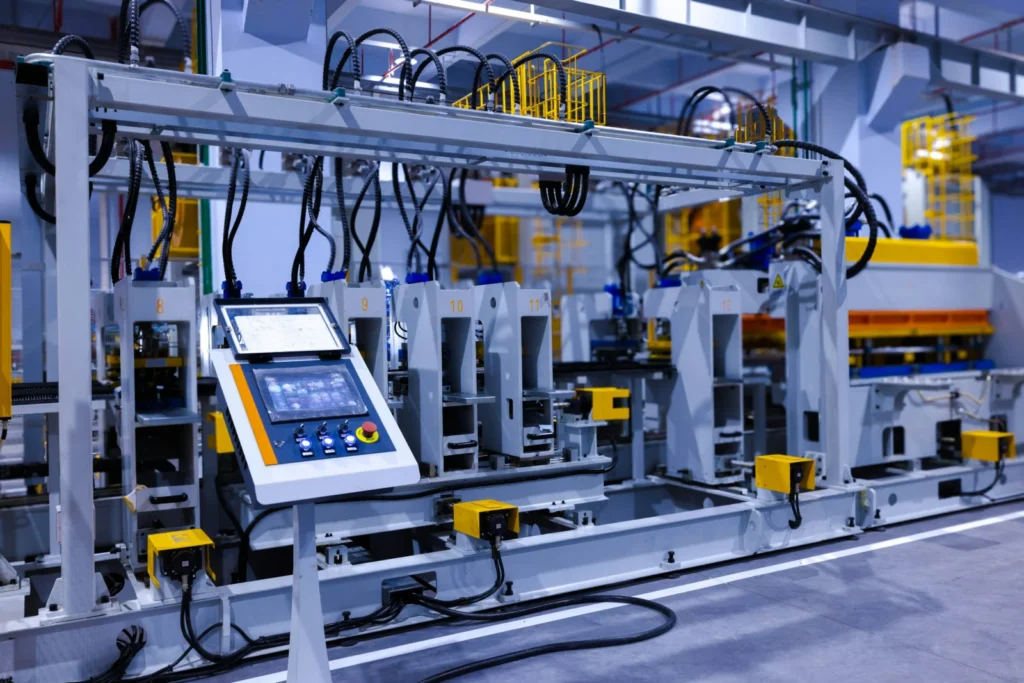
Coordinate separate machines, controls, and devices into a working production sequence. MCT Nexus defines the interfaces that let equipment exchange status, commands, and process information.
CONNECTED PRODUCTION FLOW
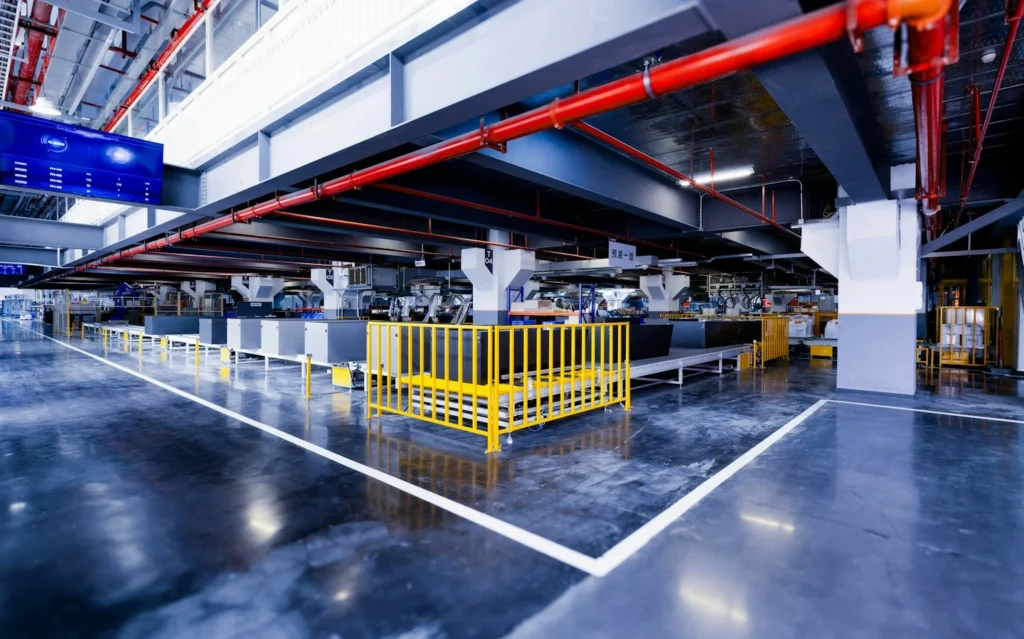
Coordinate movement between workstations, machines, and transfer points. MCT Nexus develops controls and integration around how parts enter, move through, and leave the production sequence.
SERVICE SCOPE
Conveyor logic must account for more than a running motor. Zone availability, workstation readiness, accumulation, transfer confirmation, and downstream conditions determine when a part should move. MCT Nexus’s engineering background includes overhead conveyor systems, multiple workstations, elevators, and automated equipment handoffs.
PROJECT DELIVERABLES
Define which station owns a part, when movement is permitted, and how a completed transfer is confirmed.
Distinguish equipment faults from expected waits caused by missing parts or an unavailable downstream station.
Connect local conveyor controls to the wider machine and operator workflow.
PROJECT APPROACH
Review the layout, load characteristics, workstation operations, production targets, and existing controls.
Agree transfer signals, occupancy detection, accumulation rules, operating modes, and fault responses.
Verify movement and recovery with representative loads, including blocked stations and interrupted transfers.
COMMON QUESTIONS
Yes. The scope must define upstream and downstream interfaces, available space, controls changes, and the installation window.
We discuss the complete requirement and define the machine, mechanical, electrical, and controls responsibilities in the proposal. The scope can also focus on controls and integration for conveyor equipment supplied by others.
CONNECTED CAPABILITIES
MCT Nexus
Coordinate separate machines, controls, and devices into a working production sequence. MCT Nexus defines the interfaces that let equipment exchange status, commands, and process information.
MCT Nexus
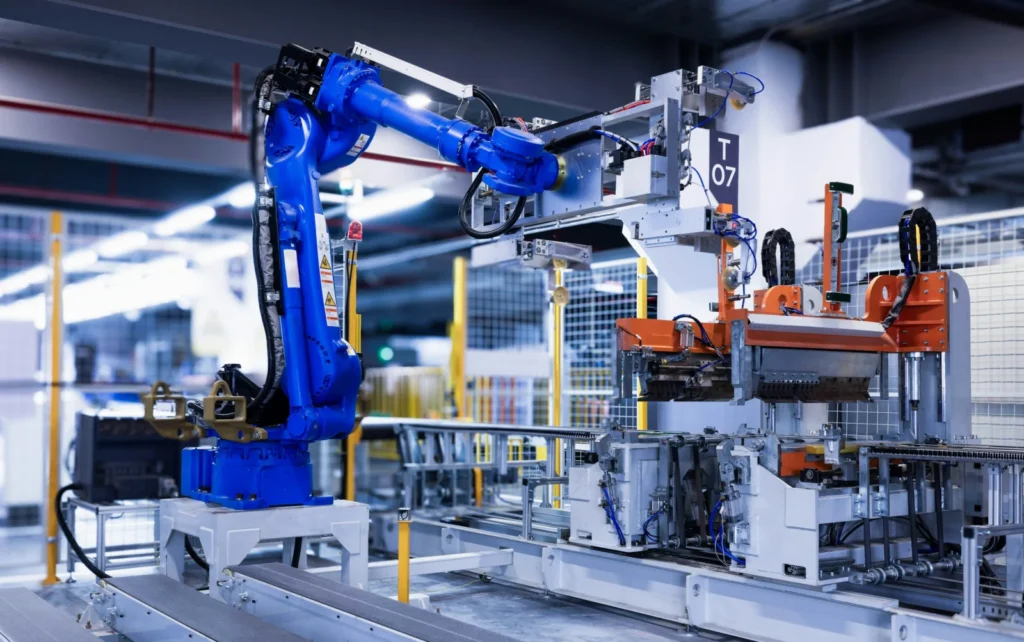
Connect robot tasks to the equipment, part flow, and operator sequence around them. MCT Nexus supports controls and integration work for handling, transfer, and production-cell applications.
MCT Nexus
Turn a production requirement into a machine concept that can be reviewed, built, tested, and supported. MCT Nexus connects the operating sequence with mechanical, electrical, and controls requirements.
Share a layout, product or load details, station sequence, existing equipment information, and target production rate.
A conveyor system is a set of coordinated zones, stations and transfer conditions. MCT Nexus reviews how material enters, where it can wait and what confirms that the destination can accept it. The requirements may include indexing, accumulation, sorting, routing, pallet handling or an interface with a lift, robot or process machine.
The design needs to distinguish physical capacity from available production capacity. A downstream station may be occupied, stopped, faulted or waiting for an operator. Each condition can require a different response. Transfer commands and acknowledgments should make it clear which controller owns the material at each stage.
The electrical and controls package connects motor starters or drives, detection devices, station interfaces and operator controls. Sensor placement and the mechanical arrangement influence whether the system can reliably identify presence, position and clearance. The motion and drive scope addresses speed or positioning requirements, while the network scope defines communication between controllers and devices.
Fault recovery deserves specific attention. Material may stop between sensors or span two zones. A restart must account for its actual position and the status of the surrounding equipment. The operator interface should identify the blocked condition and support the agreed recovery procedure without encouraging an undocumented bypass.
Where destinations depend on a barcode, recipe or production instruction, define how the identifier remains associated with the physical item. A missed read, duplicate identifier or manual removal should have an agreed response. Tracking and traceability requirements can be integrated with conveyor control when the scope includes the necessary devices and data interfaces.
Functional testing should include normal transfers, unavailable destinations, sensor faults, accumulation limits and the effect of stopping part of the line. Acceptance conditions should specify the product mix and the loading assumptions behind any throughput target. Site commissioning checks the interfaces with the actual machines and operating practices.
For an inquiry, send a layout, material or pallet dimensions, weights, destination logic, station cycle information and the existing controls platform. Identify any overhead equipment or vertical transfer mechanisms so the required engineering and protective reviews can be planned. See our prior conveyor engineering experience for relevant background.