MCT Nexus
Equipment Integration
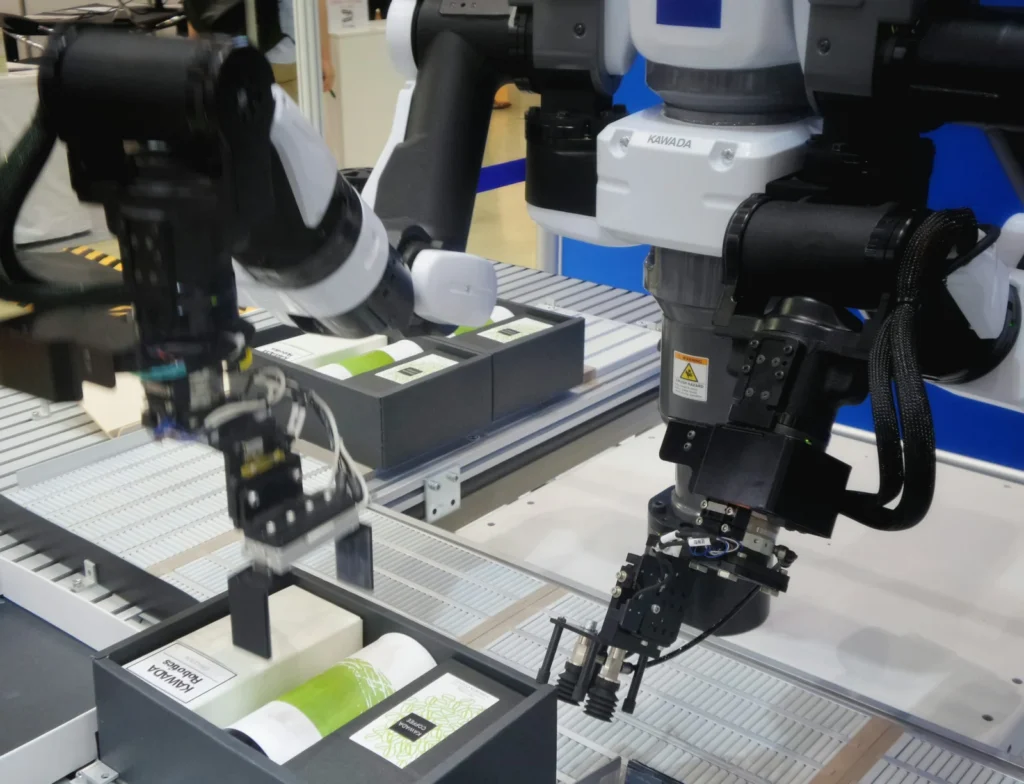
Coordinate separate machines, controls, and devices into a working production sequence. MCT Nexus defines the interfaces that let equipment exchange status, commands, and process information.
ROBOT & HANDLING INTEGRATION
Connect robot tasks to the equipment, part flow, and operator sequence around them. MCT Nexus supports controls and integration work for handling, transfer, and production-cell applications.
SERVICE SCOPE
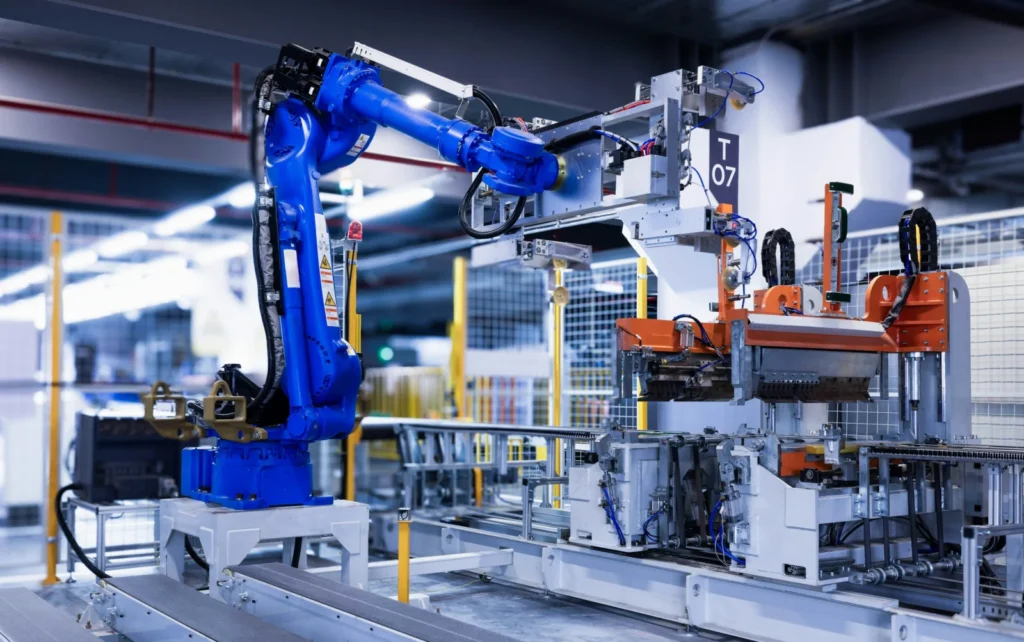
Successful handling depends on part presentation, gripping, orientation, machine readiness, and fault recovery. MCT Nexus’s engineering background includes pick-and-place, vision-assisted orientation, palletizing, and mobile-robot conveyor handoffs. We use that perspective to define the complete cell sequence and the interfaces each device needs.
PROJECT DELIVERABLES
Identify part variation, pickup location, orientation, payload, and what happens when a part is missing or misplaced.
Coordinate the robot task with fixture readiness, conveyor status, and adjacent equipment.
Plan how the cell reports faults, returns to a known state, and resumes after an interrupted cycle.
PROJECT APPROACH
Review sample parts, available space, production targets, existing equipment, and preferred robot platform.
Define the end-effector and equipment interfaces, controls sequence, and responsibilities for safeguarding and risk assessment.
Test agreed operating conditions, communication, part handoffs, and recovery as part of the cell acceptance plan.
COMMON QUESTIONS
No. The work may involve connecting existing equipment, modifying a sequence, or improving a handoff. The condition, access, and capability of the existing system are reviewed first.
These can be evaluated where they fit the process. MCT Nexus’s background includes vision-assisted handling and mobile-robot transfers; specific hardware, software access, and supplier responsibilities are agreed for each project.
CONNECTED CAPABILITIES
MCT Nexus
Coordinate separate machines, controls, and devices into a working production sequence. MCT Nexus defines the interfaces that let equipment exchange status, commands, and process information.
MCT Nexus
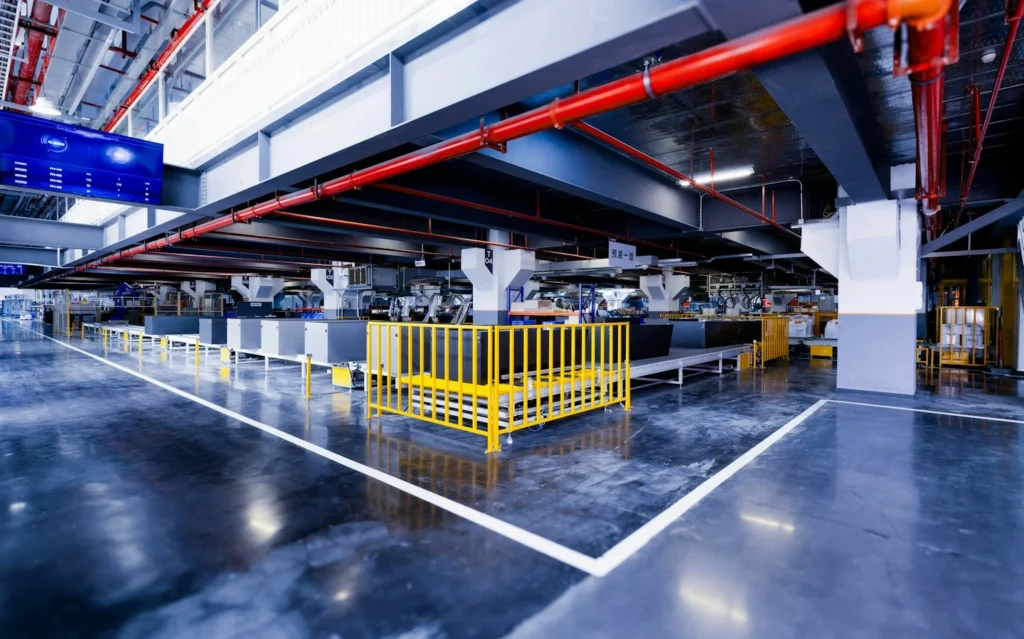
Coordinate movement between workstations, machines, and transfer points. MCT Nexus develops controls and integration around how parts enter, move through, and leave the production sequence.
MCT Nexus
Machine sequences, operator screens, and diagnostics developed around how the equipment actually runs. MCT Nexus supports new controls software and changes to existing PLC and HMI applications.
Share the part, pickup and placement conditions, target cycle, current layout, and any existing robot equipment.
The robot task depends on the part, payload, tooling, reach, presentation and required process. MCT Nexus reviews how the robot interacts with fixtures, sensors, conveyors and surrounding machines. Existing robot hardware and software access are checked before the technical scope is confirmed.
The engineering background behind MCT Nexus includes prior robotic pick-and-place work with vision-based orientation and mobile-robot conveyor interfaces. This is relevant prior-role experience, not a claim of authorized manufacturer partnership or support for every robot platform.
The robot and machine controllers need an agreed interface for mode, readiness, task requests, completion and fault handling. Define which controller owns each action and how interrupted transfers are recovered. PLC/HMI integration should provide useful cell status and diagnostics for the operator and maintenance team.
Robot motion is only one part of the cell hazard review. Tooling, fixtures, conveyed material, adjacent machines and maintenance access also affect the application. Protective measures and validation responsibilities must be established for the complete system and its operating modes.
Testing should cover the expected presentation range, normal cycles, unavailable destinations, detection faults and recovery scenarios. The robotic cell application page explains the production-level scope. Send part information, layout, selected robot/controller details and existing equipment interfaces to begin a project discussion.