
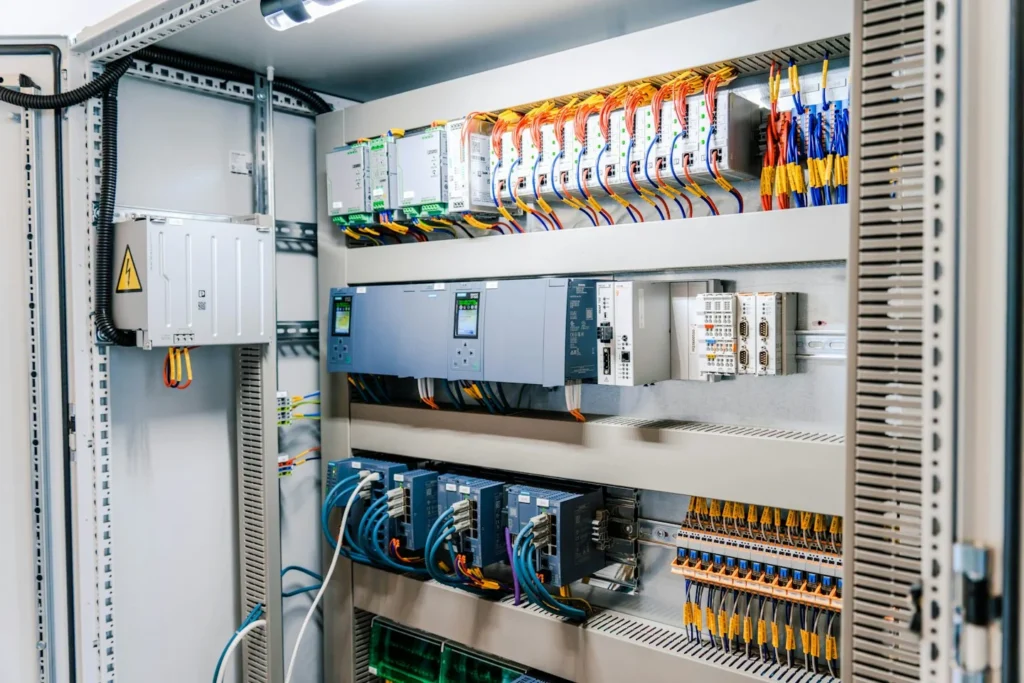
APPLIANCE MANUFACTURING
Appliance Manufacturing Automation
Electrical design, control panels, automation, and machine support for appliance manufacturing equipment.
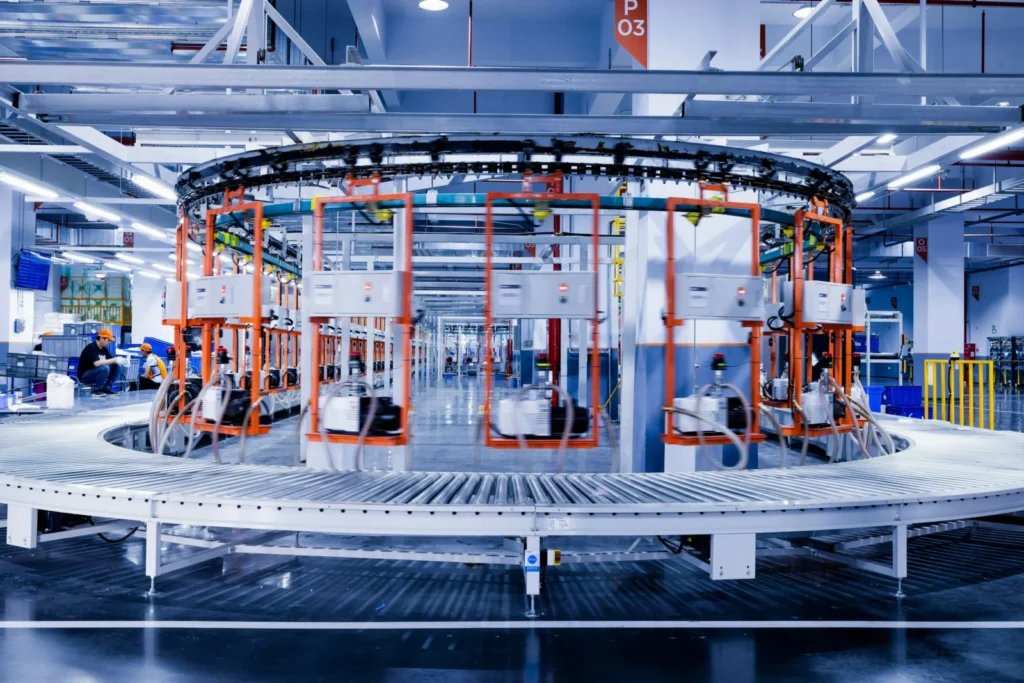
PROCESS EQUIPMENT & INTEGRATION
Plan around the process and its requirements.
Engineering experience behind MCT Nexus includes refrigerant filling equipment and production-system modifications. We start by understanding the process sequence, equipment interfaces, and installation requirements.
- Filling and process-control sequences
- Instrumentation, operator screens, and diagnostics
- Machine and production-line interfaces
- Control-system changes and startup support
WHERE MCT Nexus CAN HELP
Define the work around your production needs.
Filling & process equipment
Define controls, instrumentation, operating modes, and operator information around the process.
Equipment modifications
Plan controls and panel changes for new components, updated sequences, and equipment interfaces.
Checkout & handover
Coordinate functional checks, startup activities, drawing updates, and software records.
PLAN THE PROJECT
Start with the requirements that matter.
Share the process media, equipment specifications, installation environment, and required approvals. These requirements are reviewed when defining the engineering and build scope.
- Process sequence, equipment interfaces, and available drawings
- Controls platform, utilities, and installation conditions
- Target timing and planned production downtime
- Acceptance criteria and handover requirements
RELATED CAPABILITIES
Explore the next step.
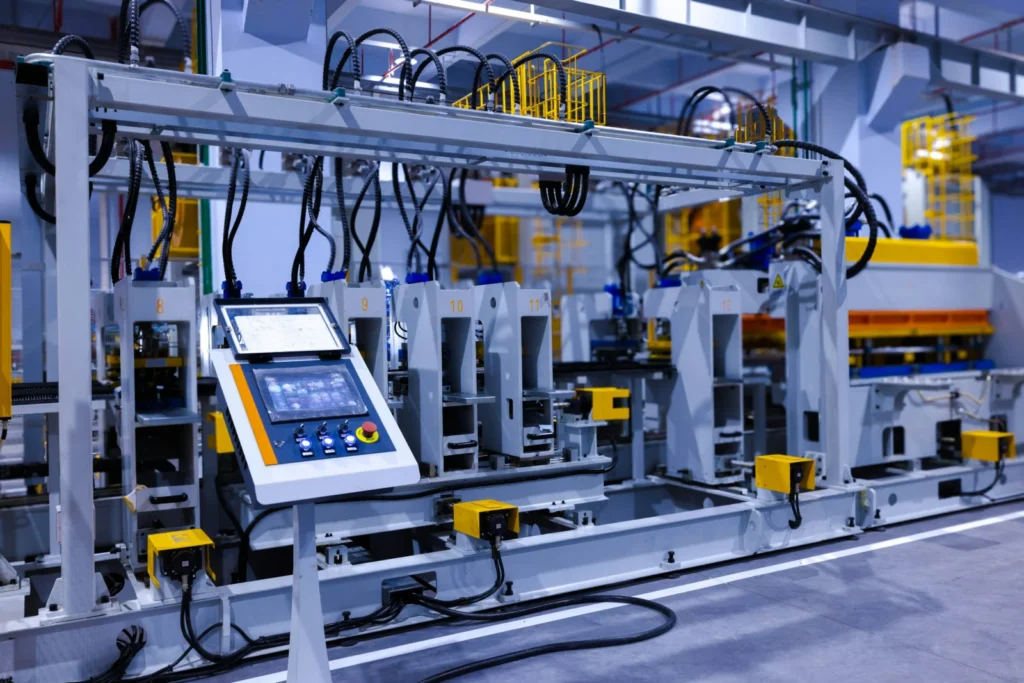
CONTROLS
Controls & automation
Sequences, operator screens, and equipment interfaces.
SUPPORT
Upgrades & startup
Changes, commissioning, and documentation for existing machines.
Let’s discuss your equipment and project.
Share the machine, the process, and the result you need.
Connect process equipment with dependable line interfaces.
Account for product variation and changeover
Appliance production can involve different models, process requirements and test conditions on related equipment. MCT Nexus begins with the product family, machine sequence and the changes that occur between variants. Recipe selection, tooling identification, settings and permitted operator adjustments should be documented as part of the controls requirement.
The experience behind MCT Nexus includes prior-role work with appliance process equipment and fluid-system projects. It supports a practical understanding of coordinated engineering, installation and commissioning. It does not establish that the named manufacturers in an individual résumé are current MCT Nexus customers or that MCT Nexus holds their supplier approvals.
Filling and process control
Fluid filling and dispensing requires suitable process equipment, measurement and an agreed verification method. The controls connect pumps, valves, instrumentation, recipes and the conditions for starting and completing the cycle. Fluid properties, process limits and required protective measures need application-specific review.
When a material or process presents special hazards, identify those requirements during the initial inquiry. The project must assign the relevant process, mechanical, electrical and validation responsibilities. MCT Nexus does not imply blanket certification or suitability for every refrigerant, fluid or classified location.
Assembly, handling and test interfaces
Production stations may need to coordinate fixtures, fastening or assembly devices, conveyors, lifts, inspection and end-of-line testing. The control sequence should define when a product can transfer and what happens when the destination is occupied or a result is missing. Operators need useful status information and a documented recovery path.
Inspection and test integration ties the decision to the correct product and recipe. If results are retained, define the identifier, values, units, timestamp and system responsible for storage. Rework and retest behavior should be established before implementation rather than inferred during production.
Support existing equipment and new capacity
For a retrofit, MCT Nexus reviews the installed controls, available drawings, software access and the condition of the machine. The change may involve an HMI, controller, drive, device interface or a broader electrical redesign. The retrofit plan should preserve required functions while making new behavior and verification responsibilities clear.
For new equipment, a coordinated electrical package, panel build, PLC/HMI program and commissioning plan help connect the machine with the line. Customer standards, utilities, site access and acceptance conditions should be provided early. These inputs influence the build scope and the installation plan.
Information needed to begin
Share the equipment function, product variants, process description, existing or preferred platform, required records and target dates. Include any specialist process requirements and the available production window. MCT Nexus can define the relevant automation, OEM support or commissioning package with your engineering team.